About World Heritage
World Heritage is the story of who we are and where we come from. It is our “shared memory book.”
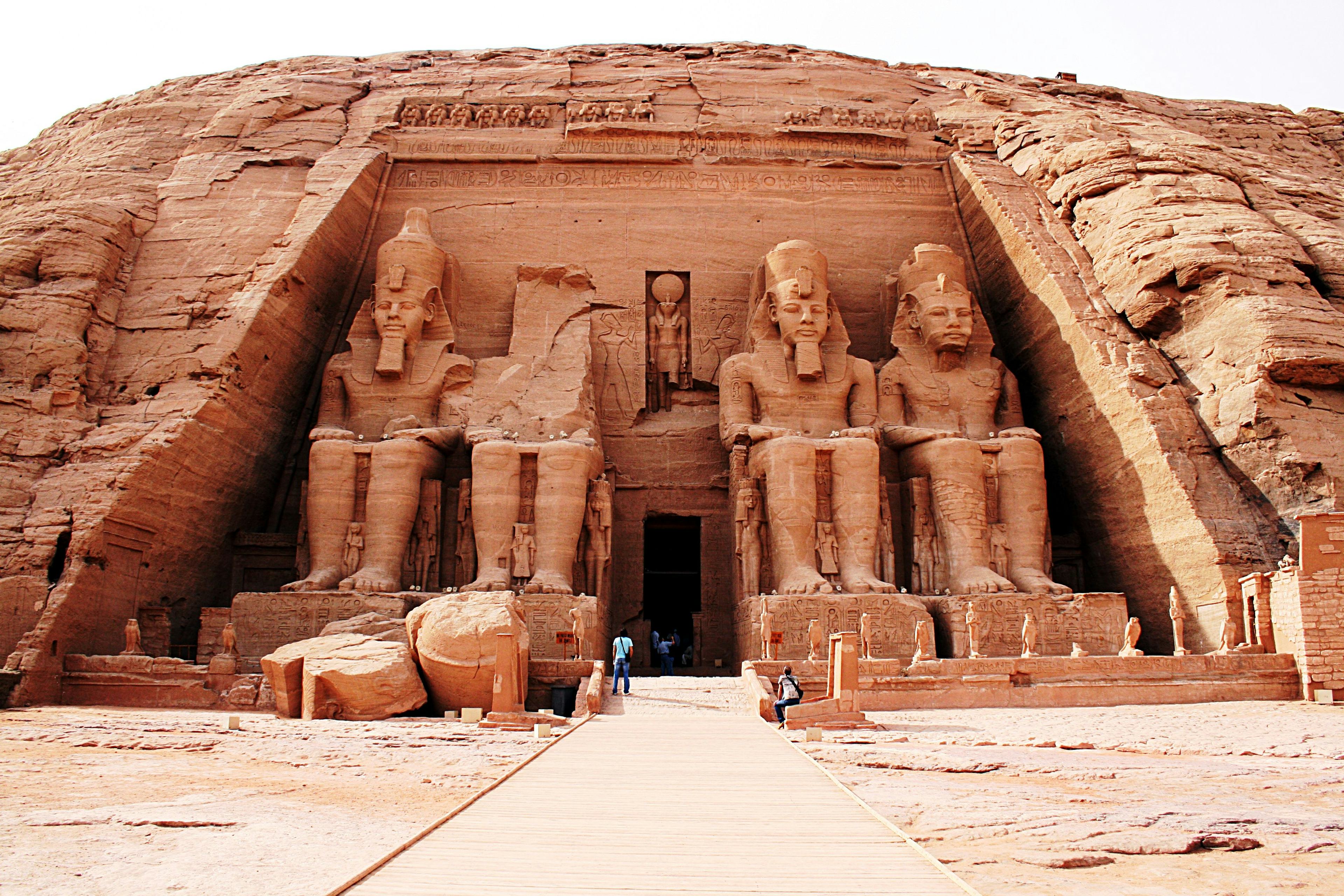
It started in Egypt
It was in the late 1950s that the Egyptian authorities planned to build the Aswan Dam, which would flood the Abu Simbel temples. The twin temples from the 13th century BCE had been built in honor of Pharaoh Ramesses II and Queen Nefertari. Now, this unique cultural treasure was at risk of being completely destroyed. It was UNESCO that took the initiative for the large-scale campaign to save the twin temples. With support from more than fifty countries, funds were raised to move the temples away from the rising waters. The campaign demonstrated that cross-border cooperation can save the world’s cultural treasures.
This became the starting point for UNESCO’s international convention for the protection of cultural heritage. In 1972, agreement was reached on what is now known as the World Heritage Convention—an agreement between states to protect both natural environments and cultural monuments. The purpose of the Convention is to safeguard sites around the world that possess Outstanding Universal Value and that belong to all humankind. In the UNESCO Convention, Outstanding Universal Value is defined as follows:
Outstanding Universal Value refers to cultural and/or natural heritage of such significance that it transcends national boundaries and is of common importance for all humanity—both for present and future generations. Therefore, the lasting protection of this heritage is important for the international community.